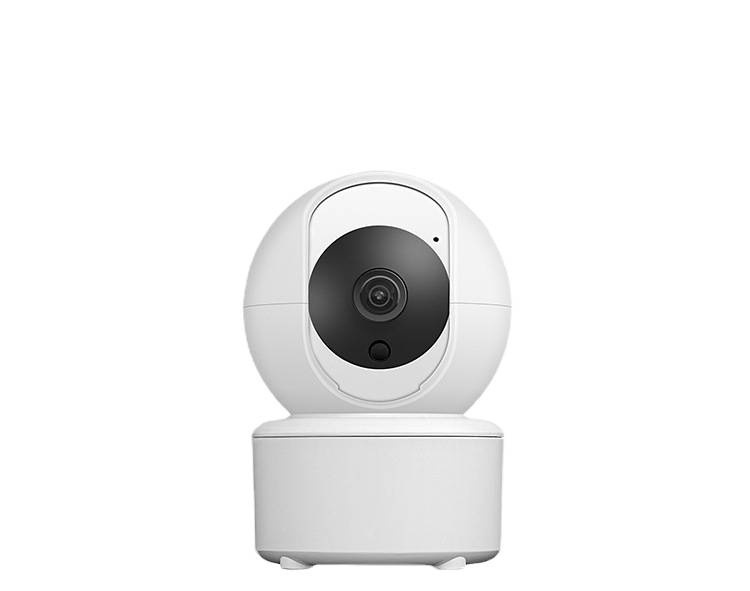
New
Indoor Wi-Fi Camera R7, 1080 P
A 2 MP indoor camera at a price that makes a multi-room install reasonable.
$39.99
Min. 5
Cameras and doorbells are the category where subscription models hide the real price. A $40 camera that stores nothing without a monthly plan is not a $40 camera, and the listing rarely says so on the box.
The products here state where footage is stored: on a local card, on a hub in your home, or in the vendor cloud. Local recording keeps working when the internet does not, and keeps your footage out of someone else's data centre. Cloud recording survives a stolen camera but adds a recurring cost and a privacy trade you should make deliberately.
Power is the second decision. Battery cameras are easy to place and annoying to maintain — most need a recharge every few months, and cold weather shortens that. Wired cameras never need charging but need a cable run, which for an outdoor position usually means an electrician or a drill and a long afternoon.
One thing worth checking before you buy: whether the camera works at all without an account. Some require app registration before they will even show a picture, which means no account, no camera — including after the vendor discontinues the product line.
A 2 MP indoor camera at a price that makes a multi-room install reasonable.
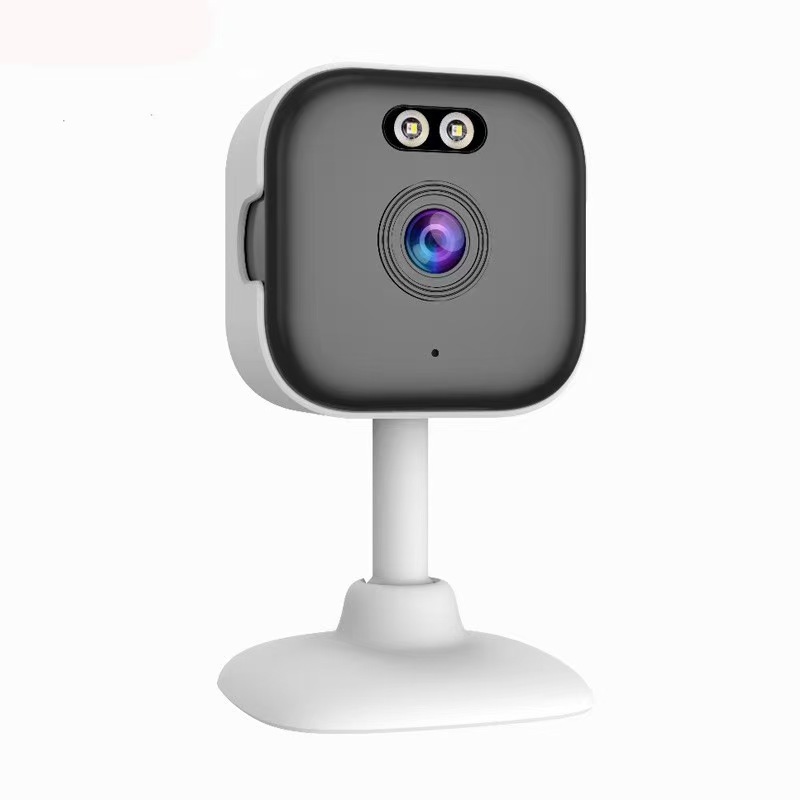
720 P, 5 V, 170 g. A camera you can put on glass and take down without a hole in the wall.
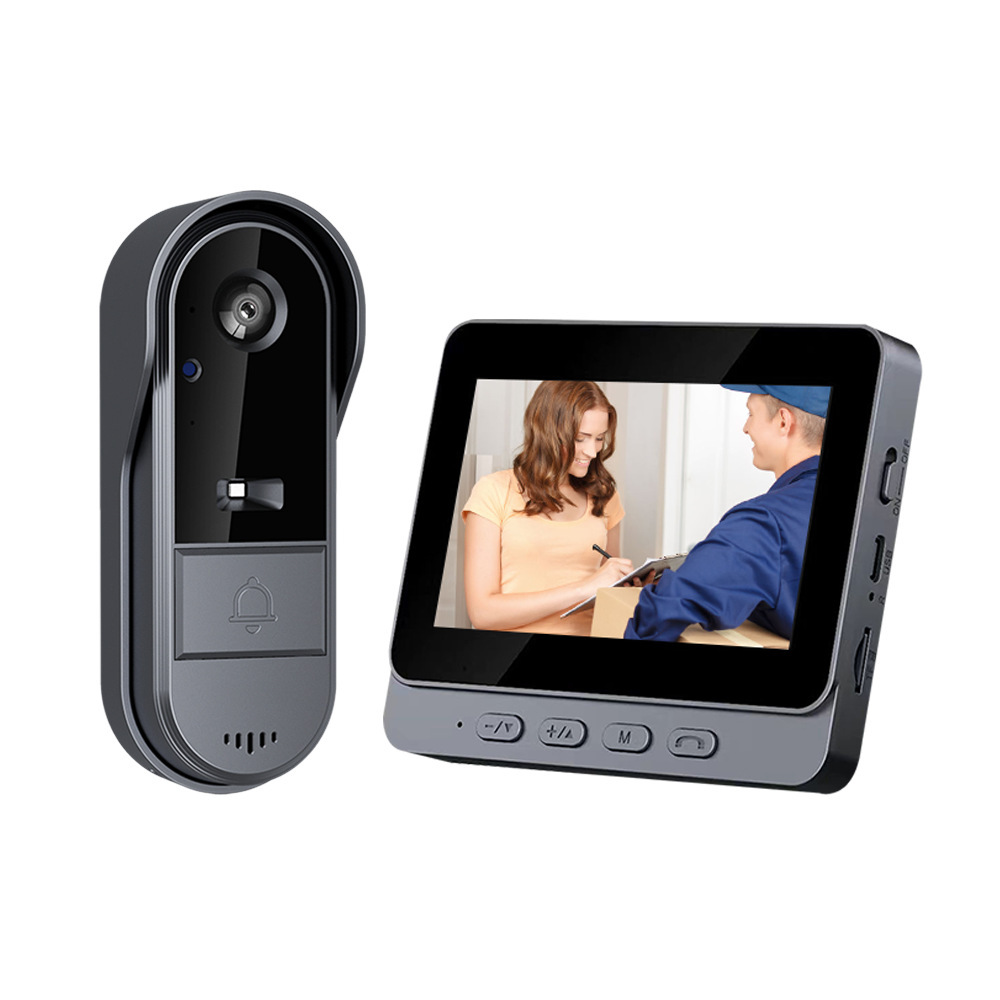
A camera on the door and a screen in the hall. No phone, no cloud account, no subscription.
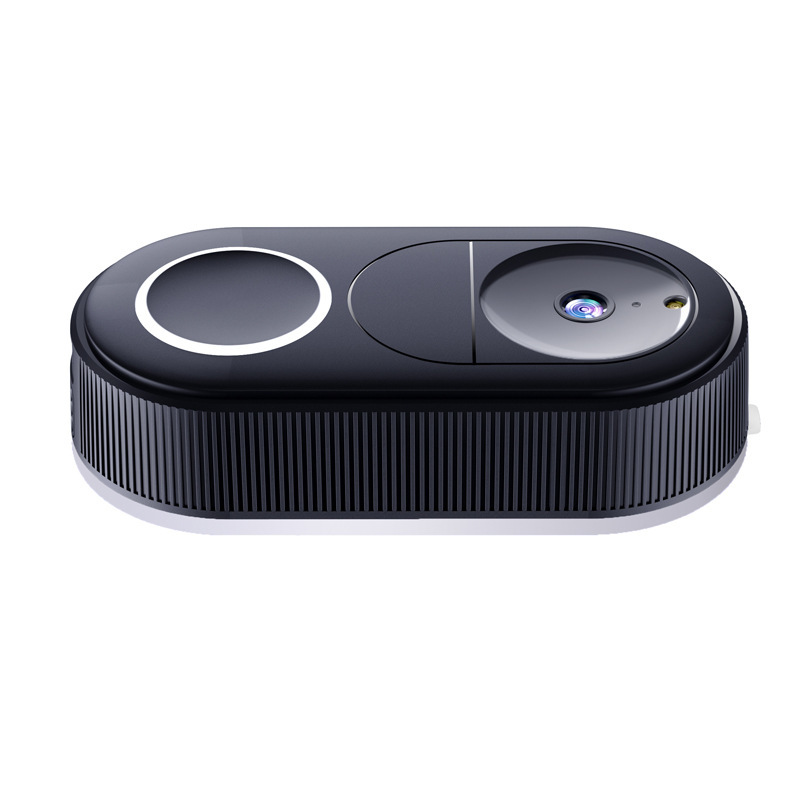
A 168 g doorbell that runs on its own battery. No doorbell wiring, no chime box, no transformer.
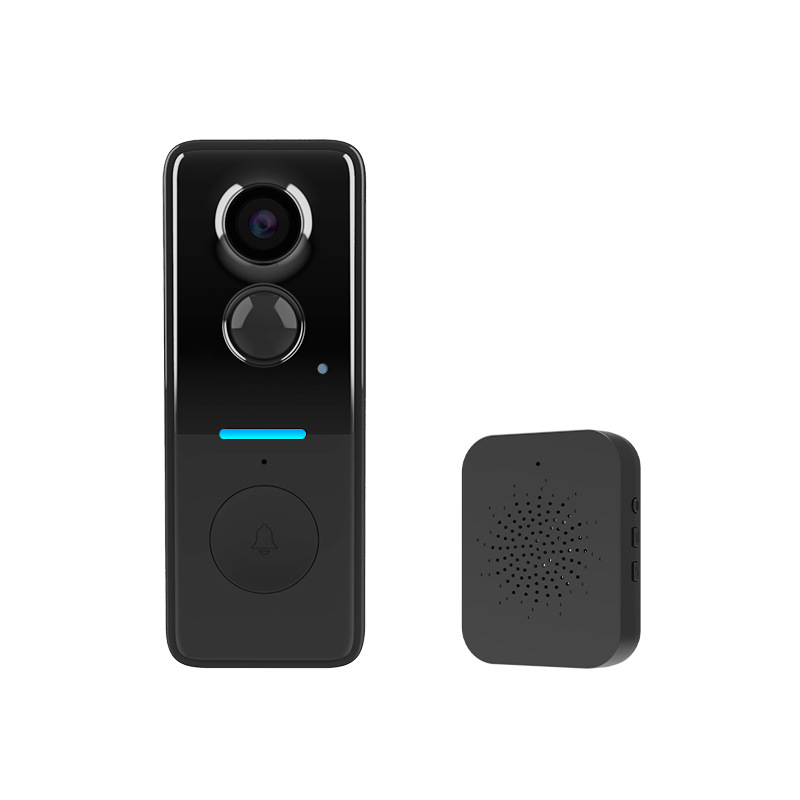
A Tuya doorbell with infrared night vision and a memory-card slot - recording without a subscription.