New
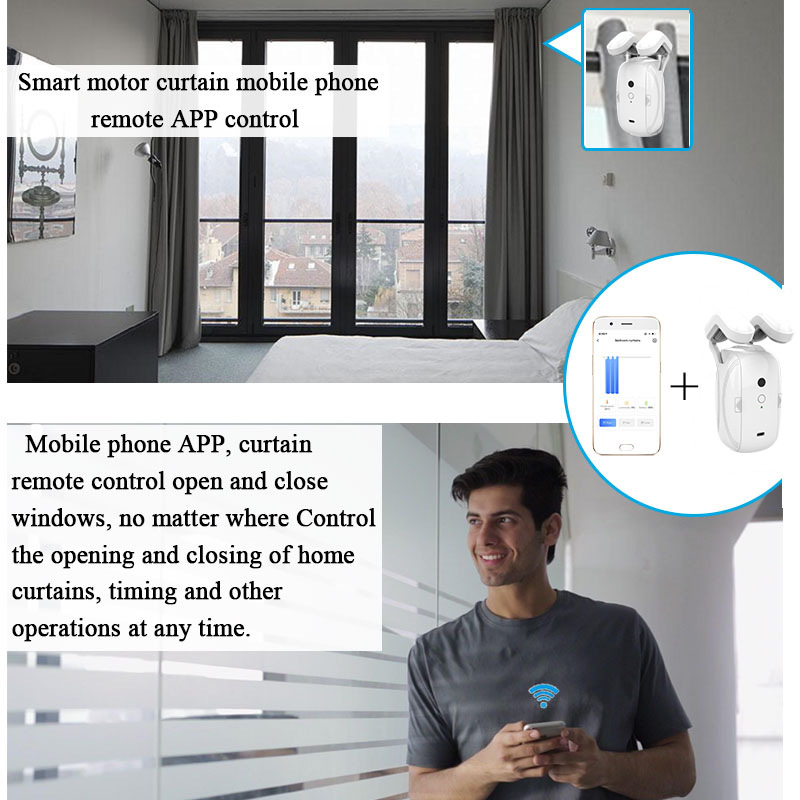
Wi-Fi Curtain Mate for Existing Tracks, LY-1668
Retrofit curtain robot for tracks and rods already on the wall. No new rail.
$98.99
Min. 2
Motorised shading is the category this store started with, and the one where the details decide whether an install works. A curtain motor is not a plug-and-play gadget: it needs the right track, the right power, and a control path your home already speaks.
The listings here split into three shapes. Track kits ship as aluminium segments you cut to length — a 1.5 m kit covers windows from 0.9 m to 1.5 m, and longer kits cover wider spans by adding segments rather than ordering a custom rail. Tubular motors replace the motor inside an existing roller shade tube. Retrofit motors drive an existing bead chain, which is the only option for rented flats where the rail cannot be changed.
Two constraints matter more than any spec sheet. First, power: most track motors plug into a wall outlet, so you need an outlet near one end of the track; battery motors avoid that but need recharging every few months. Second, control path: a Matter over Thread motor pairs directly with Apple Home, Alexa or Google given a Thread border router, while a Zigbee or Wi-Fi motor needs the hub named on that product page.
If you are replacing a dead motor rather than starting from scratch, measure the tube diameter and the chain pitch before ordering — those two numbers decide compatibility, not the brand name.
Retrofit curtain robot for tracks and rods already on the wall. No new rail.
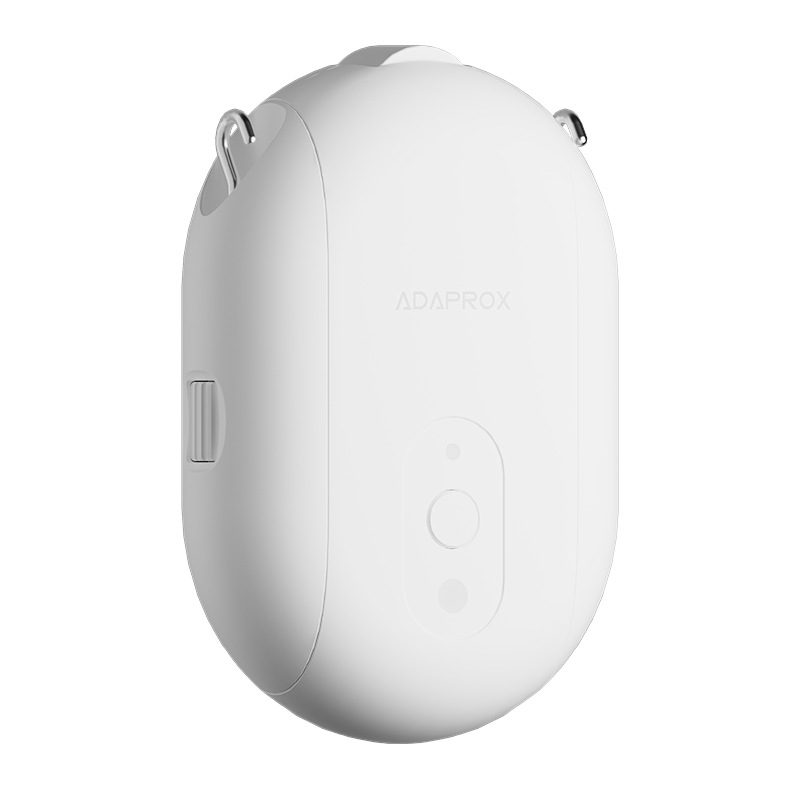
Rechargeable curtain robot that grips a rod or track; no wiring at all.
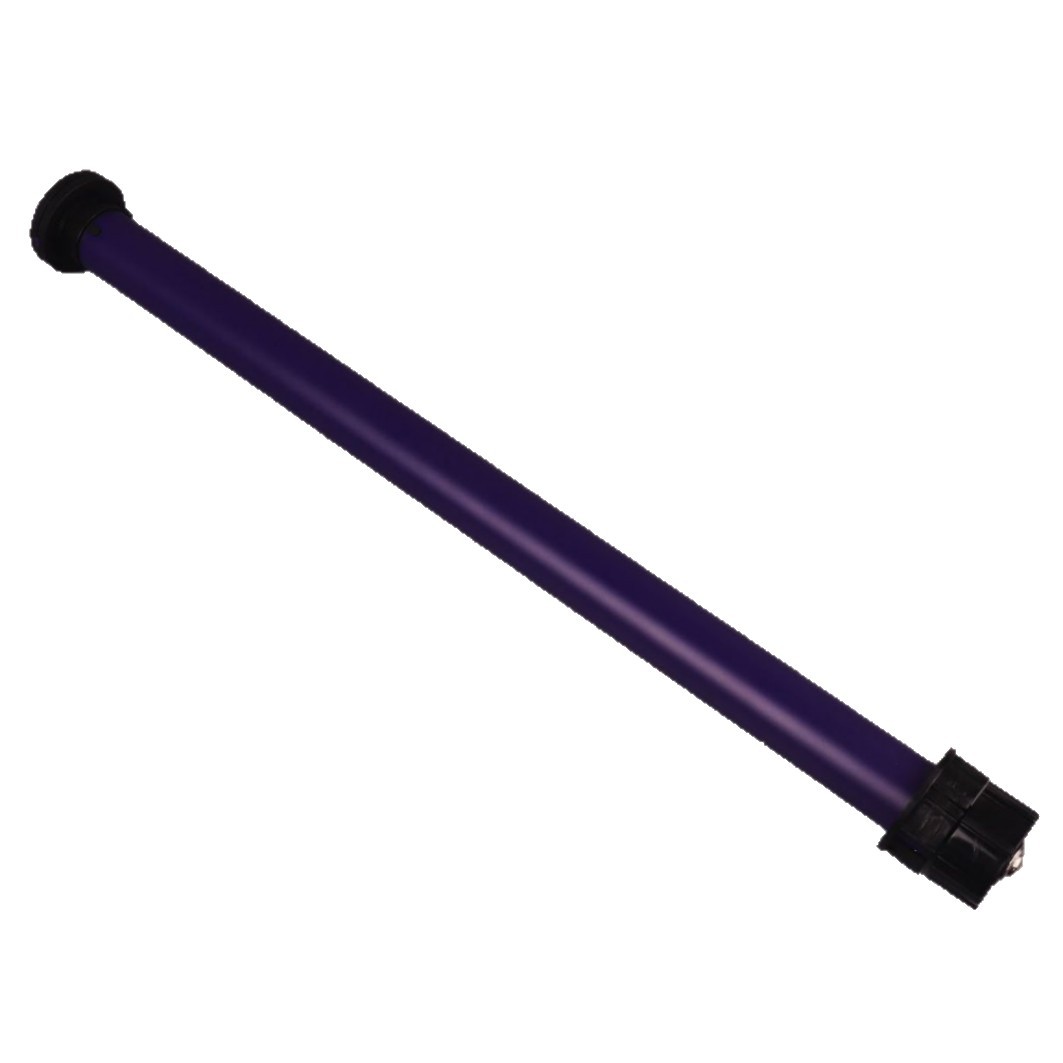
A lithium motor rated to about 30 kg of blind. No mains cable to the window.
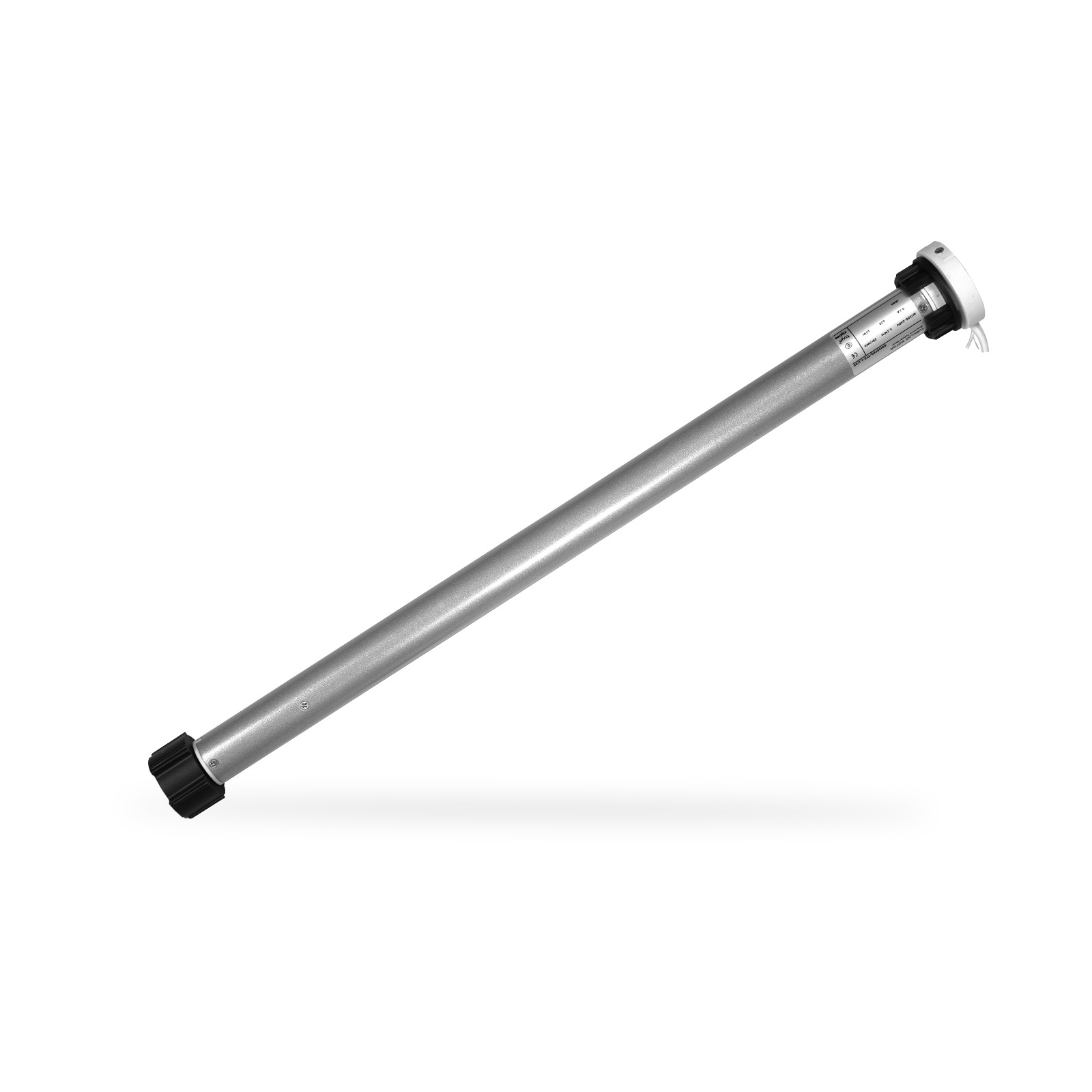
Tubular motor for 25 mm roller shades, Zigbee, 1.1 Nm.
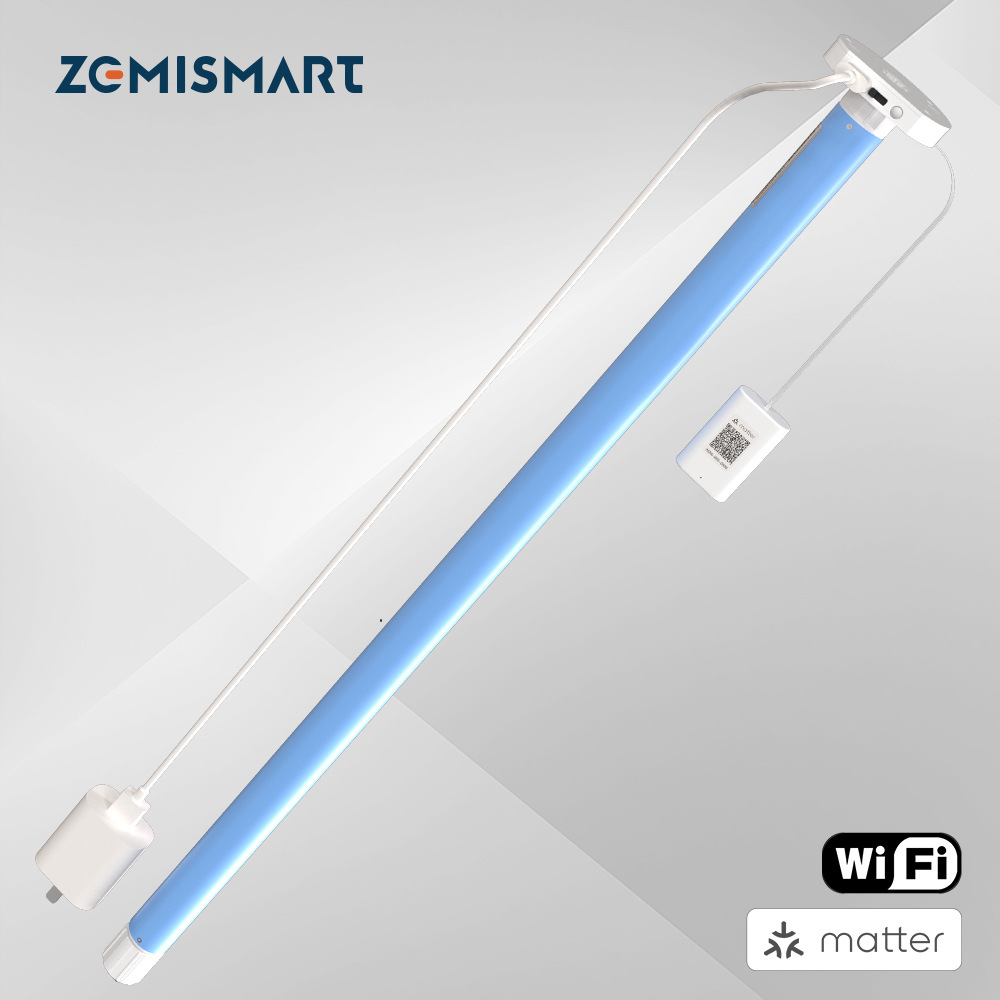
Matter over Wi-Fi in a tube motor. Commissioned from the code, no vendor hub, no separate bridge.
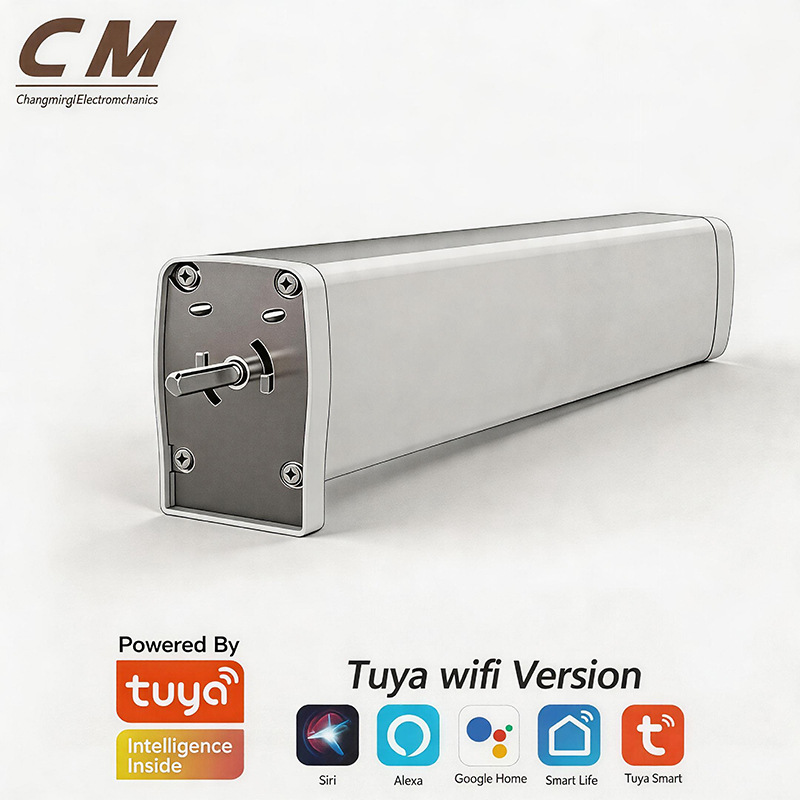
A 2.0 N track motor with a US plug variant and an English manual. FCC listed in the supplier's table.