New
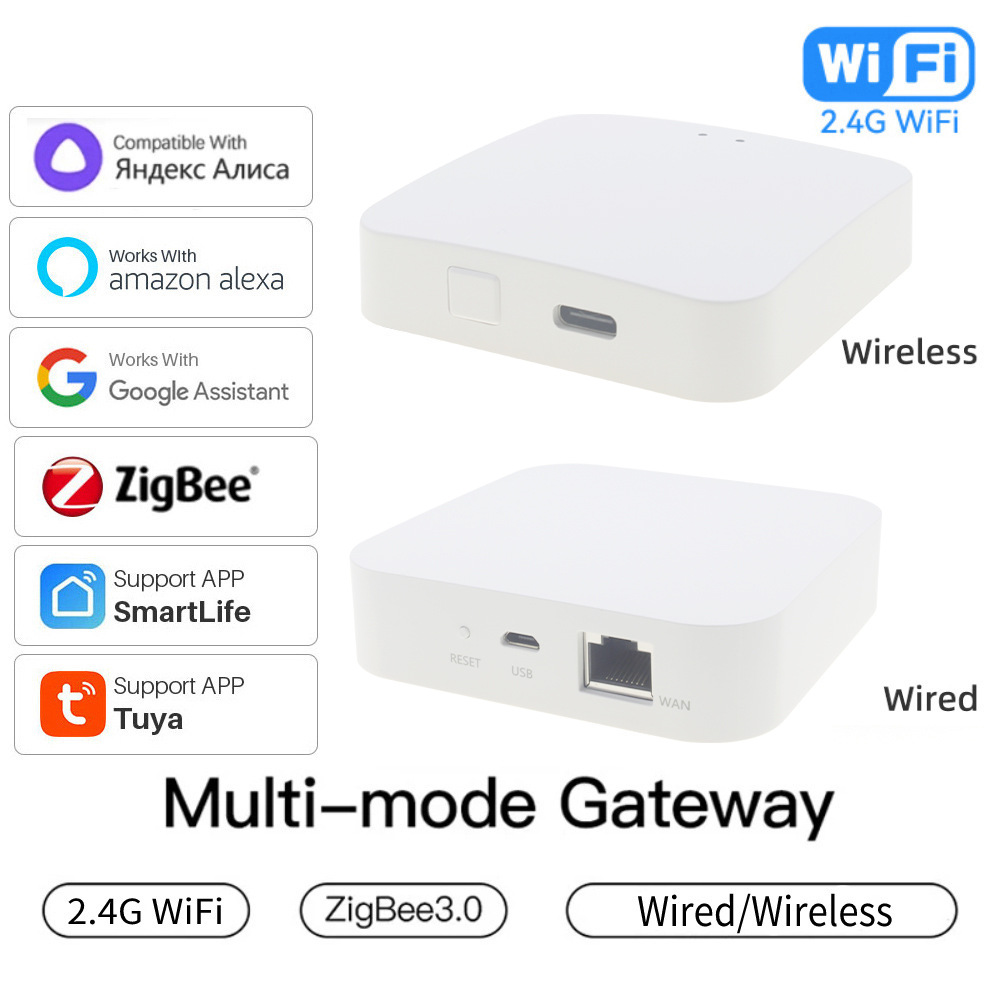
Tuya Bluetooth & Zigbee Gateway, RSH-GW003
The gateway the rest of the Zigbee range needs. USB powered, model published.
$32.99
Min. 5
Sensors are the part of a smart home that makes automation worth having, and the part most often bought badly. A cheap motion sensor triggers on a cat, on a curtain moving in a draught, and on nothing at all at three in the morning. The result is automations people switch off within a month.
The distinction that matters is motion versus presence. A PIR sensor detects a change in infrared energy, so it notices you walking in and then loses you the moment you sit still — which is why lights go off while you are reading. A millimetre-wave radar measures distance continuously and keeps detecting a person who is barely moving, at the cost of higher power draw and a higher price.
Combining both is the practical answer: radar for the fine movement, PIR to confirm a warm body, and an ambient light sensor so the room only lights when it is actually dark. That combination is what stops a hallway light from firing in daylight, and it is the difference between a sensor you forget about and one you unplug.
Placement decides more than the spec sheet. Radar passes through thin walls and glass, so a sensor aimed at a corridor can trigger on the neighbours. PIR needs line of sight. Both are affected by heating vents and direct sun, which is why the install notes on each product page are worth reading before you drill.
The gateway the rest of the Zigbee range needs. USB powered, model published.
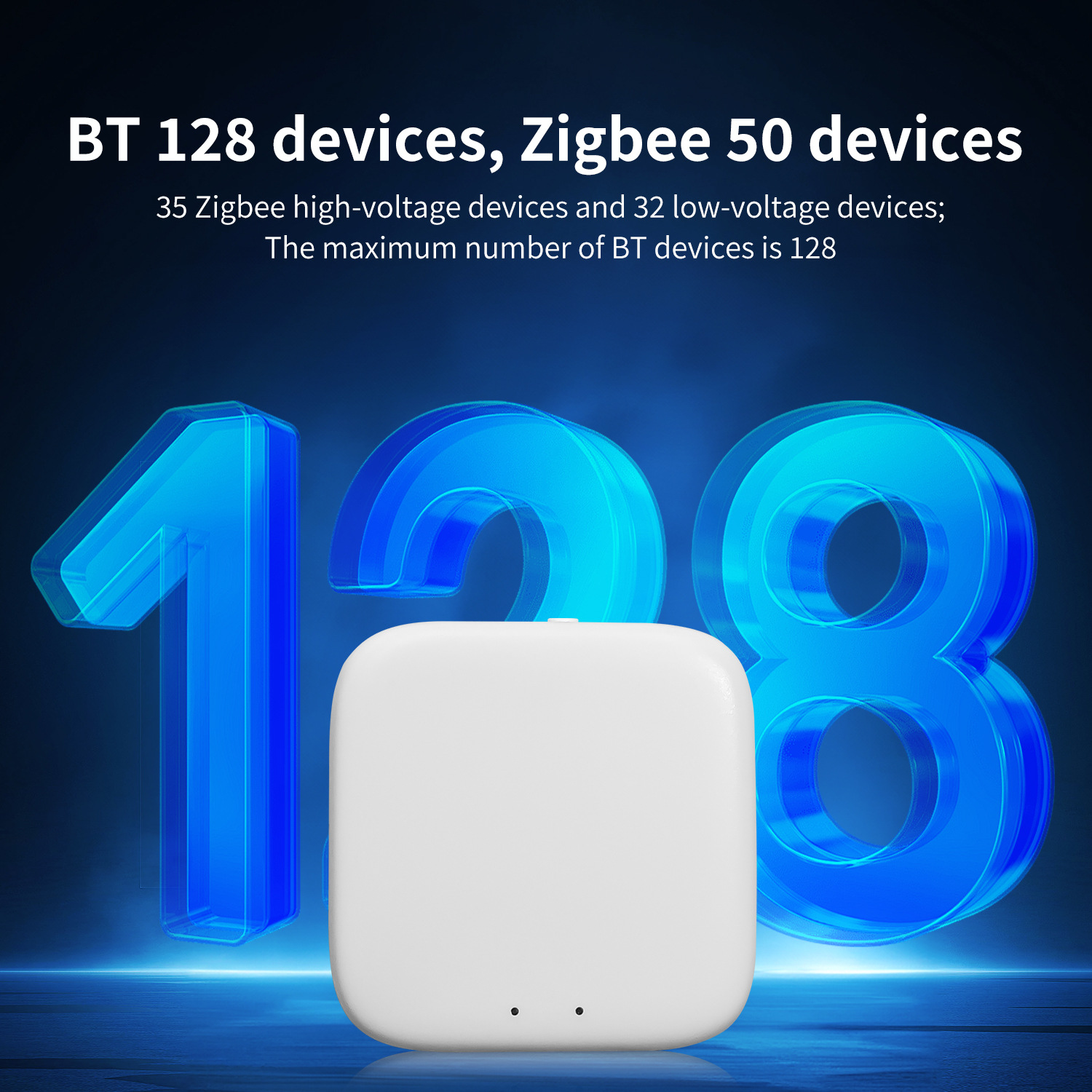
Wired and wireless multi-mode gateway for larger Zigbee networks.
Zigbee door and window sensor that also reports ambient light, 0-1000 lux.
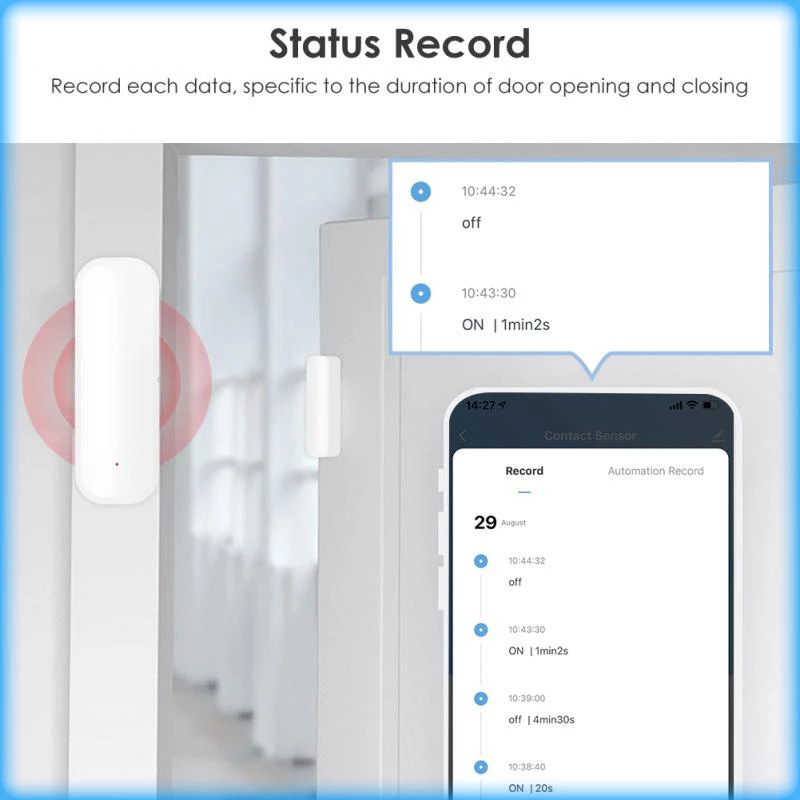
Wi-Fi contact sensor, 28 g, app alerts. No hub - a 2.4 GHz router is enough.
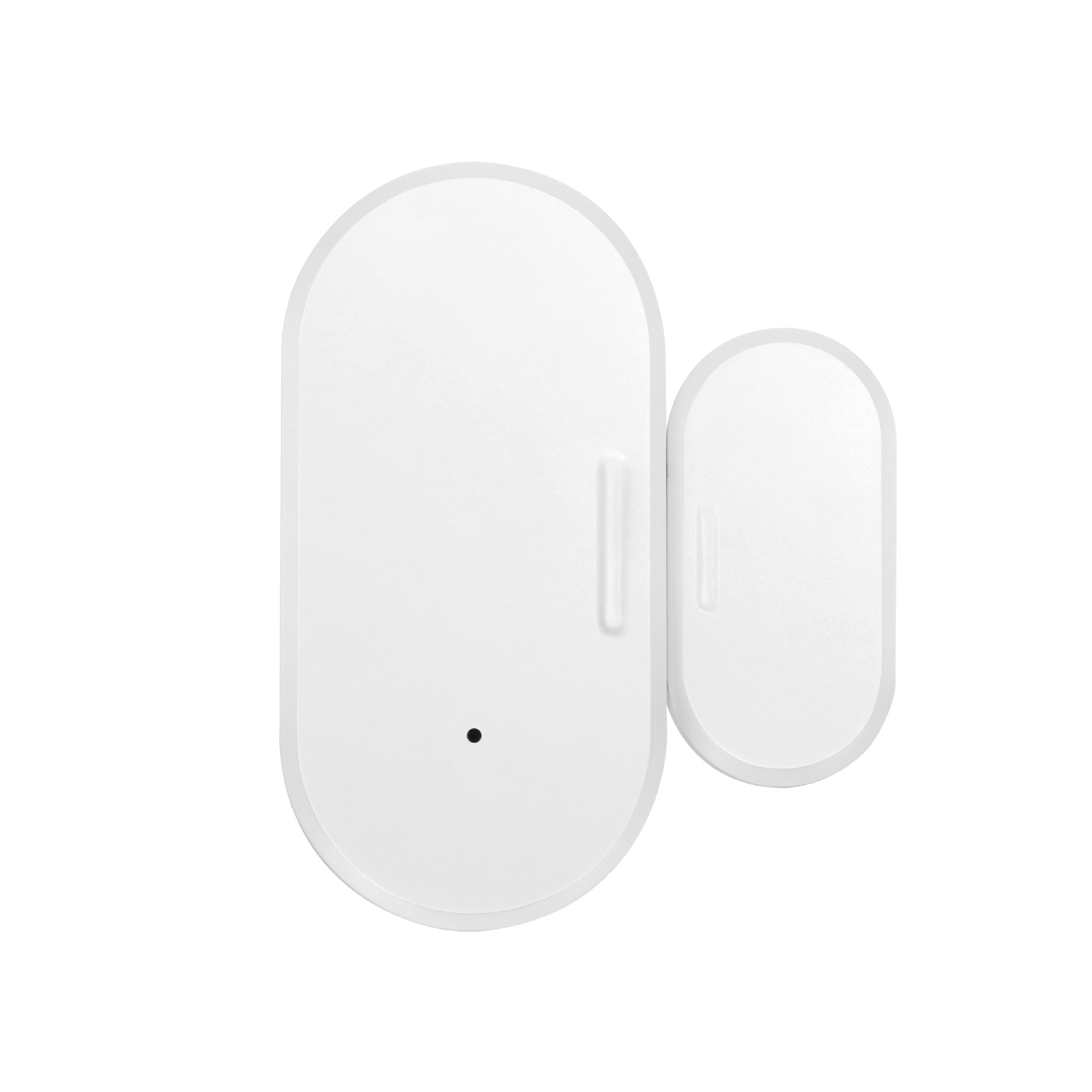
Zigbee contact sensor on a 3 V cell. A Zigbee gateway is required.
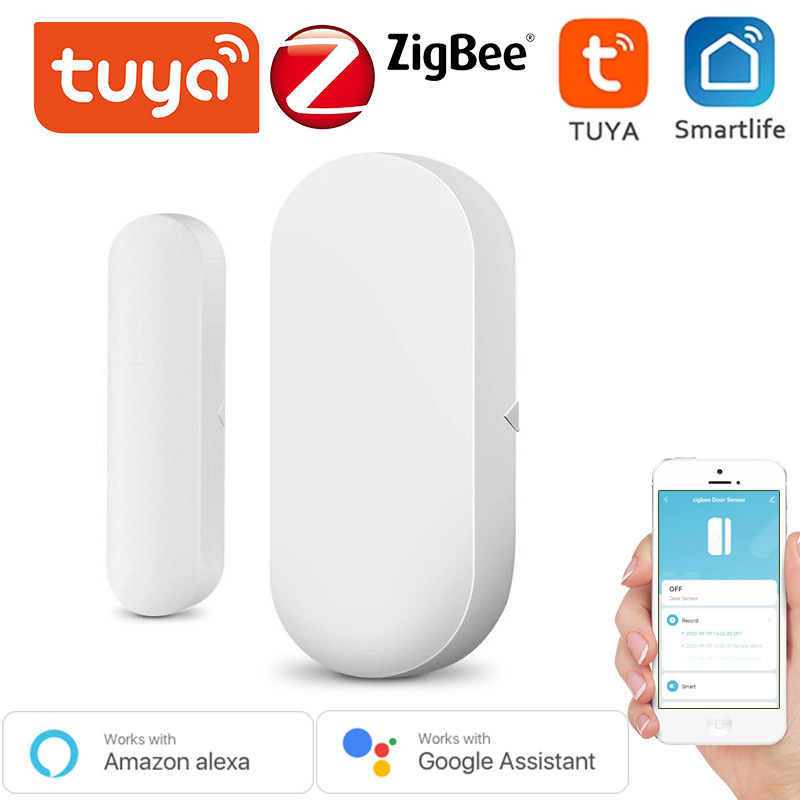
Zigbee contact sensor, 45 g, 5 mA alarm current. A Zigbee gateway is required.
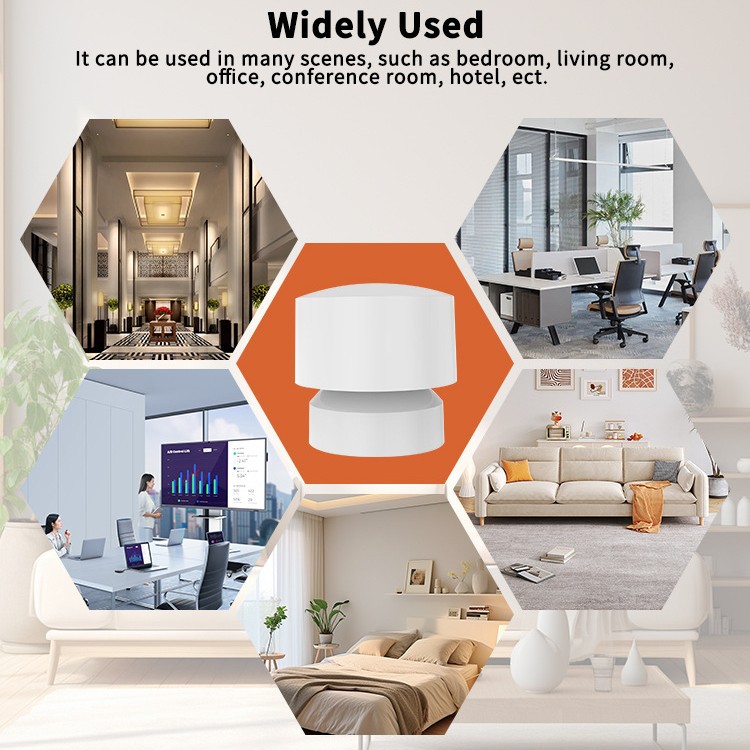
Radar presence sensor that detects a still person, not just motion. Zigbee or Wi-Fi.
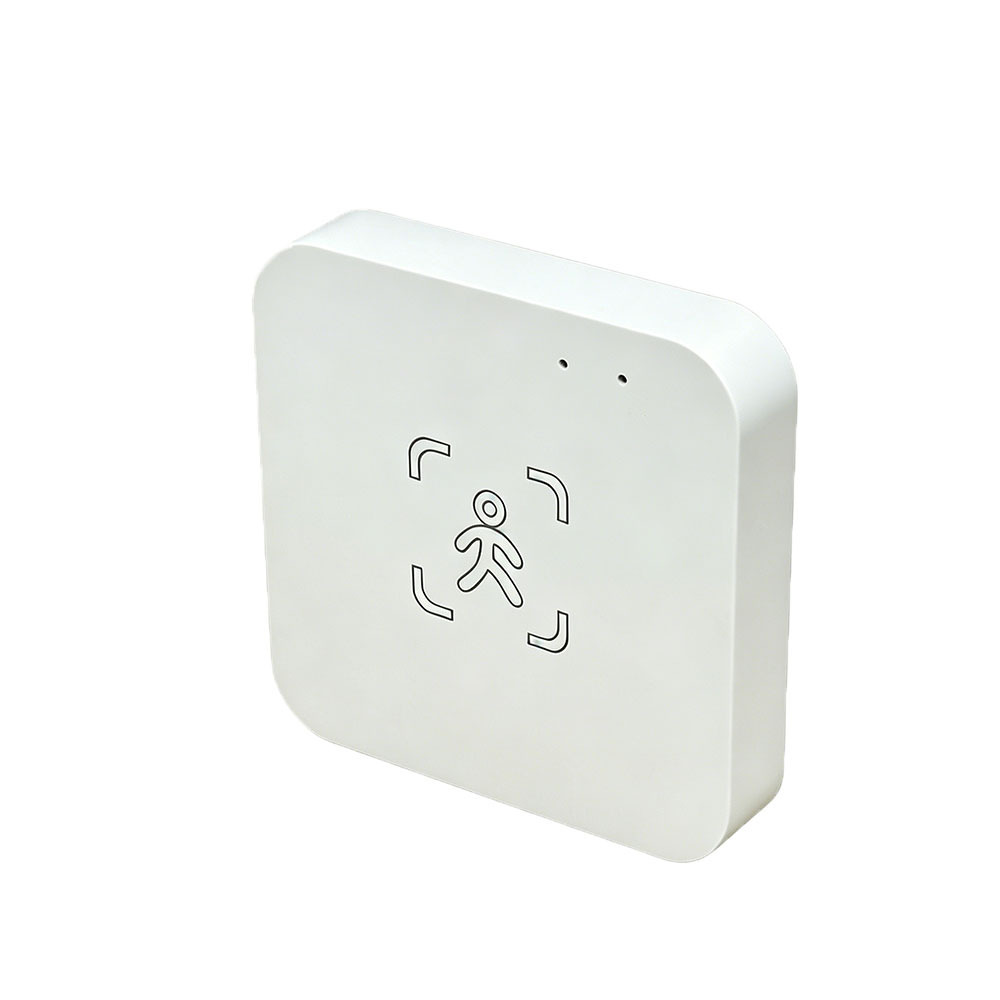
Square radar presence sensor, 0-6 m, plus 30 cm accuracy. Zigbee or Wi-Fi.
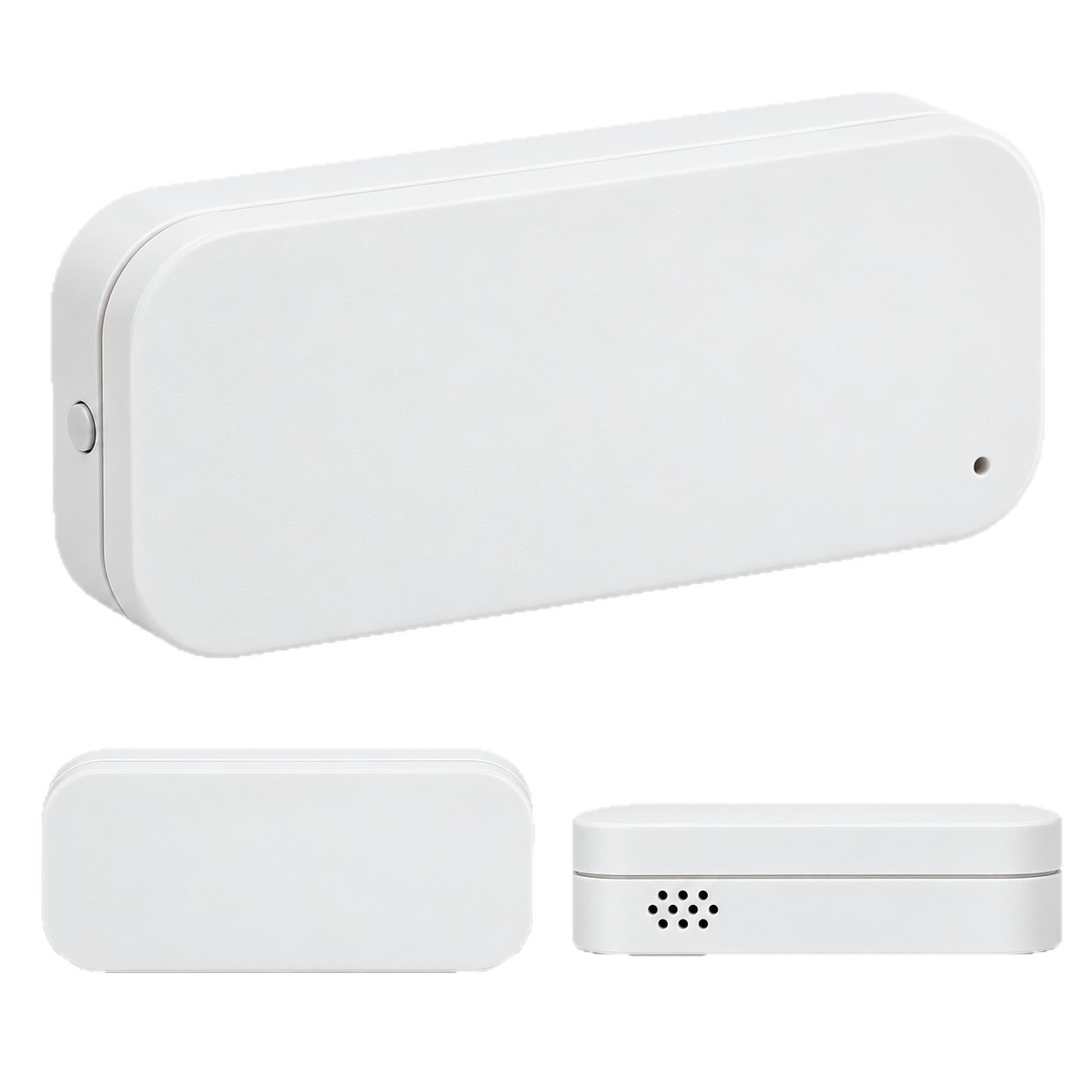
Wi-Fi plus Bluetooth temperature and humidity sensor, 35 g, 5.7 cm tall.
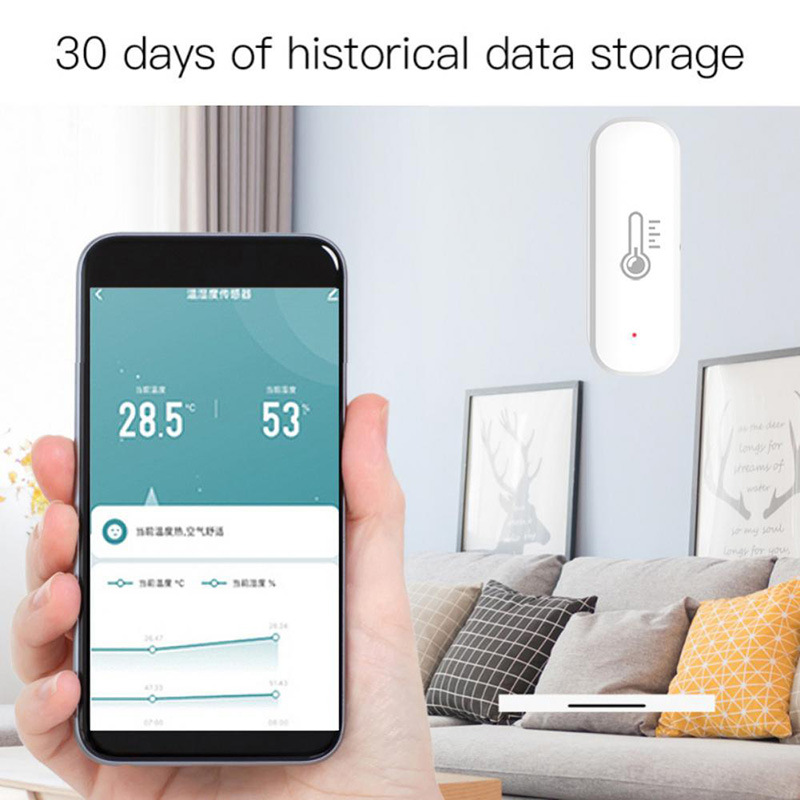
Wi-Fi temperature and humidity sensor on two AAA cells, IP65 rated.
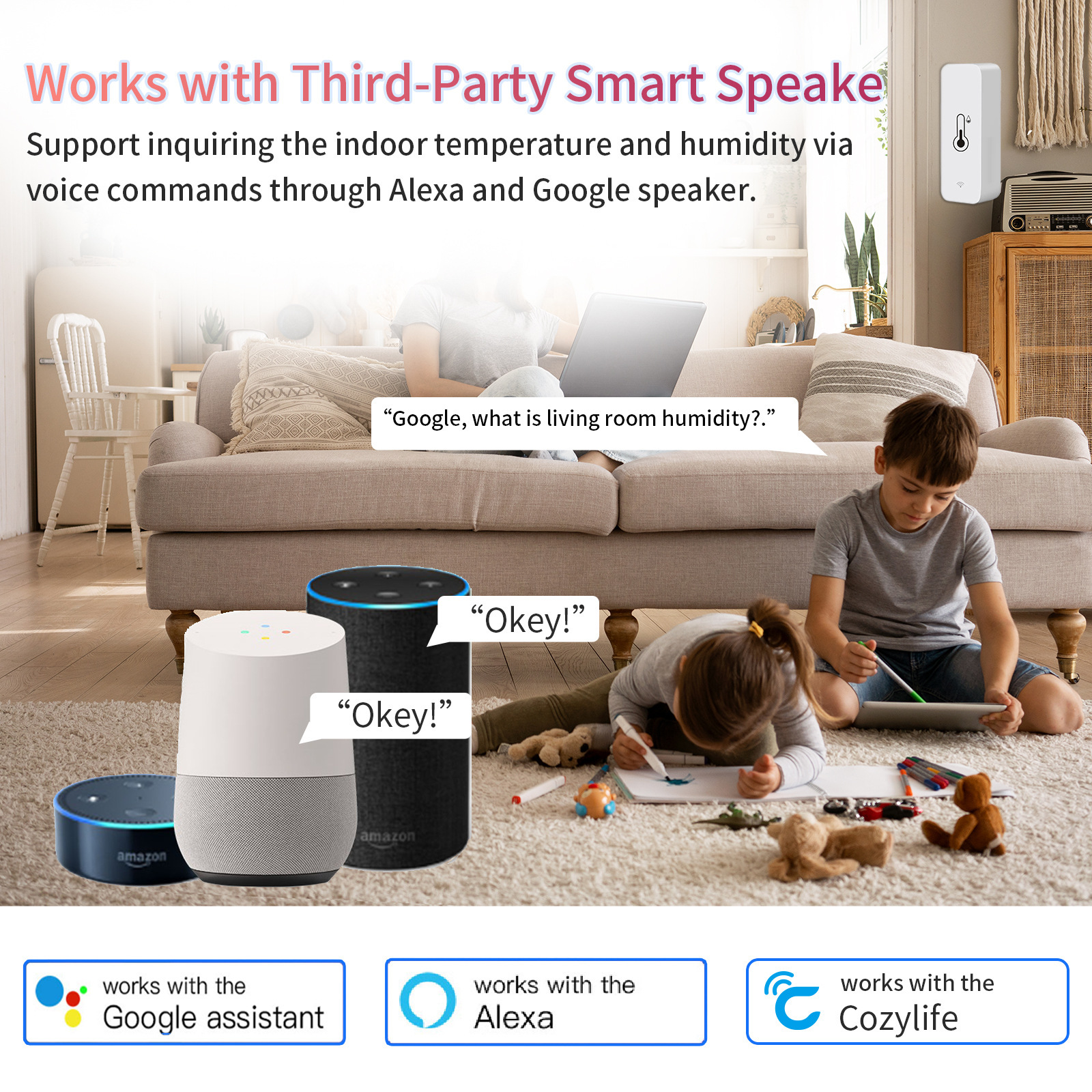
CozyLife Wi-Fi sensor on AAA cells, English documentation, export-packaged.
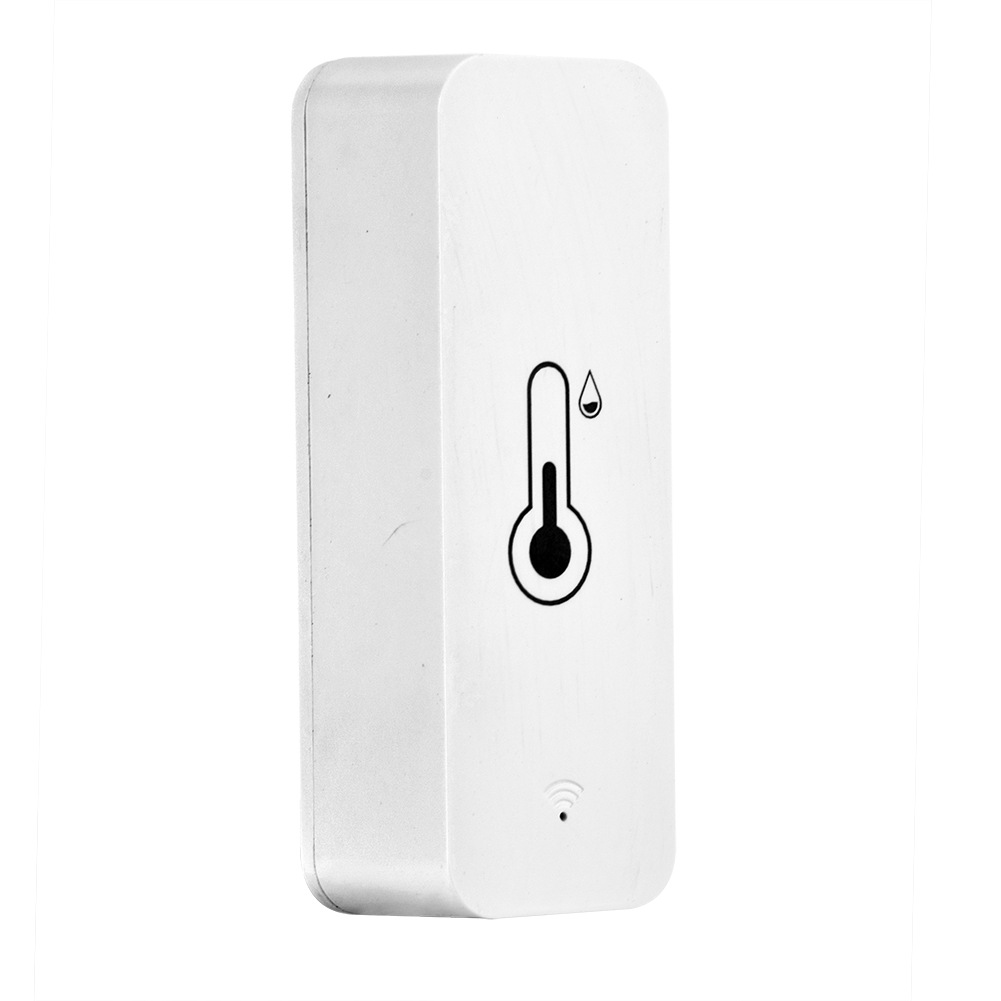
eLEOPARD Wi-Fi sensor with a 7-segment display option and a named model.
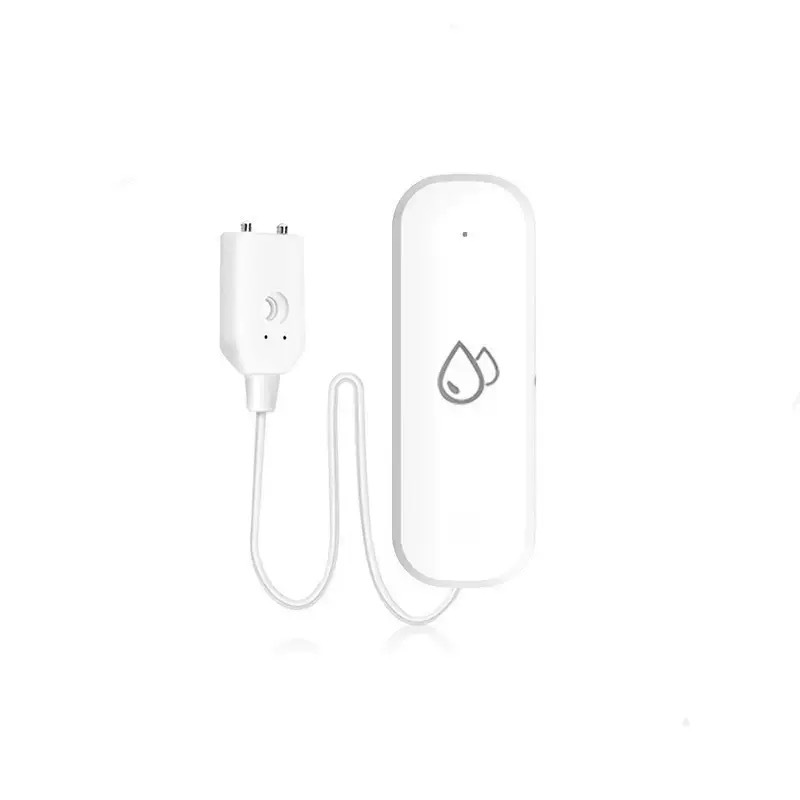
Zigbee leak sensor for under-sink and plant-room floors. Gateway required.
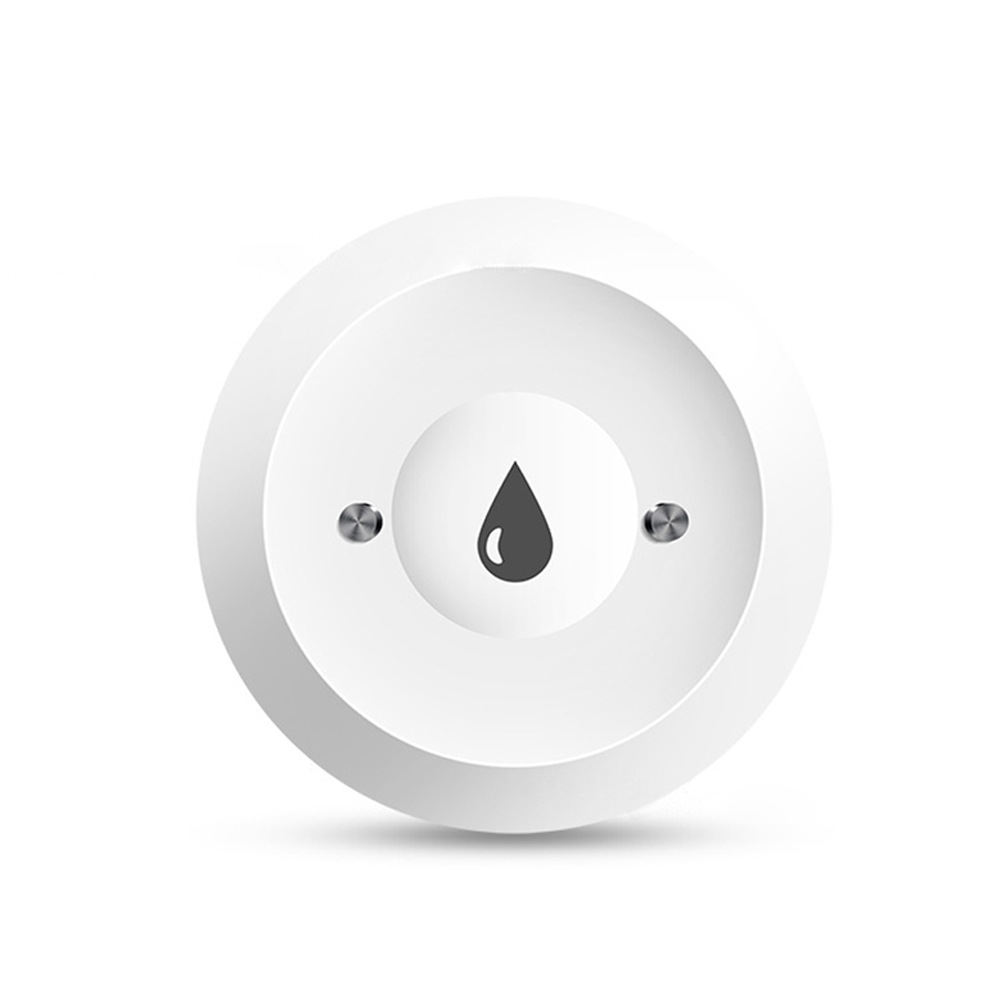
Zigbee leak sensor on the eWeLink platform, with a published part number.
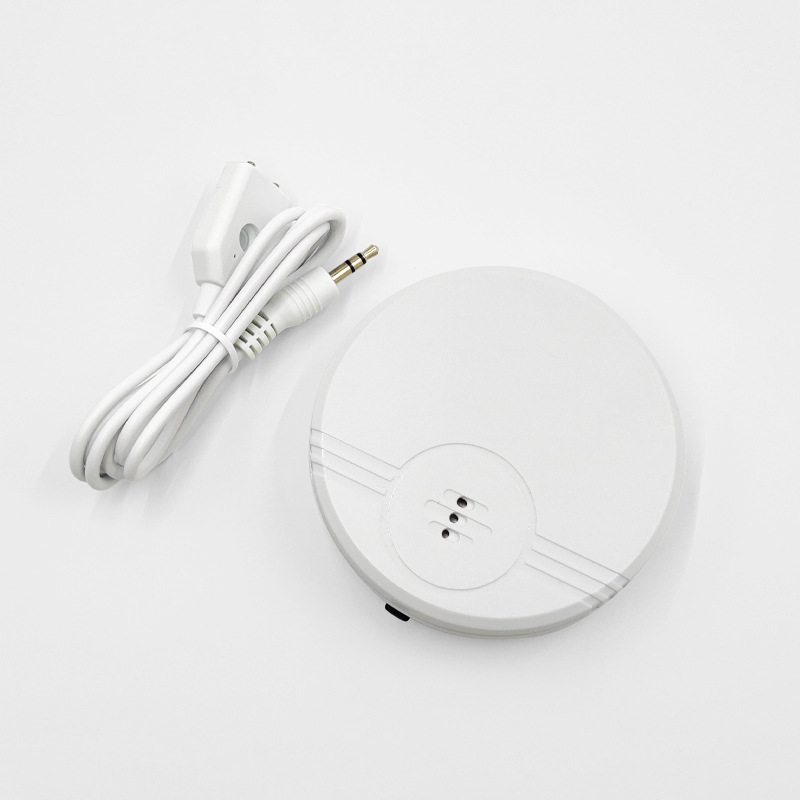
Self-contained leak alarm: 135 dB siren, 2-year standby, no gateway at all.
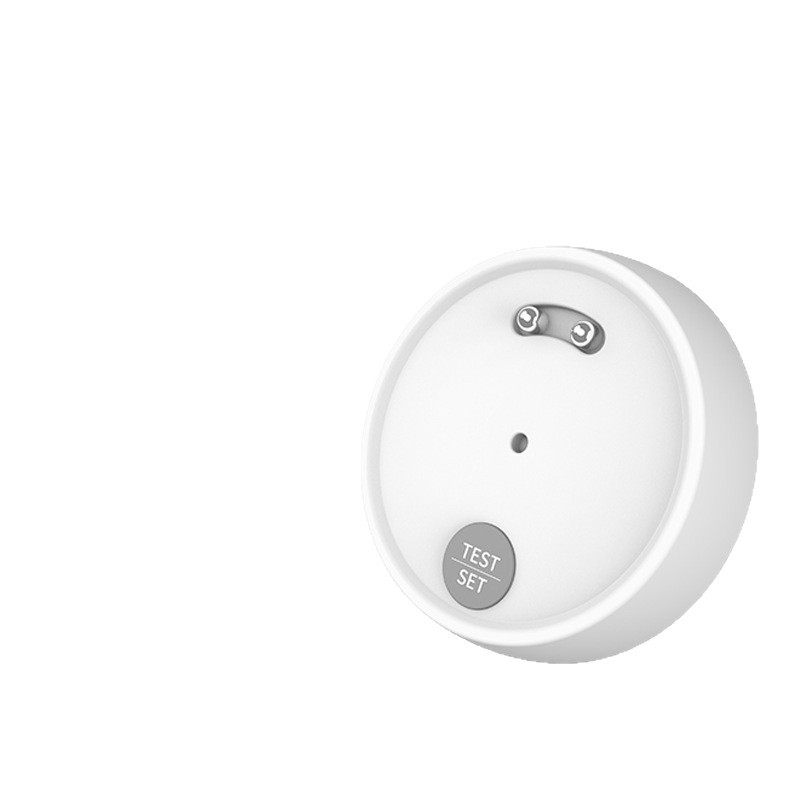
Wi-Fi leak alarm with a 67 mm puck body, IP66, and remote phone alerts.