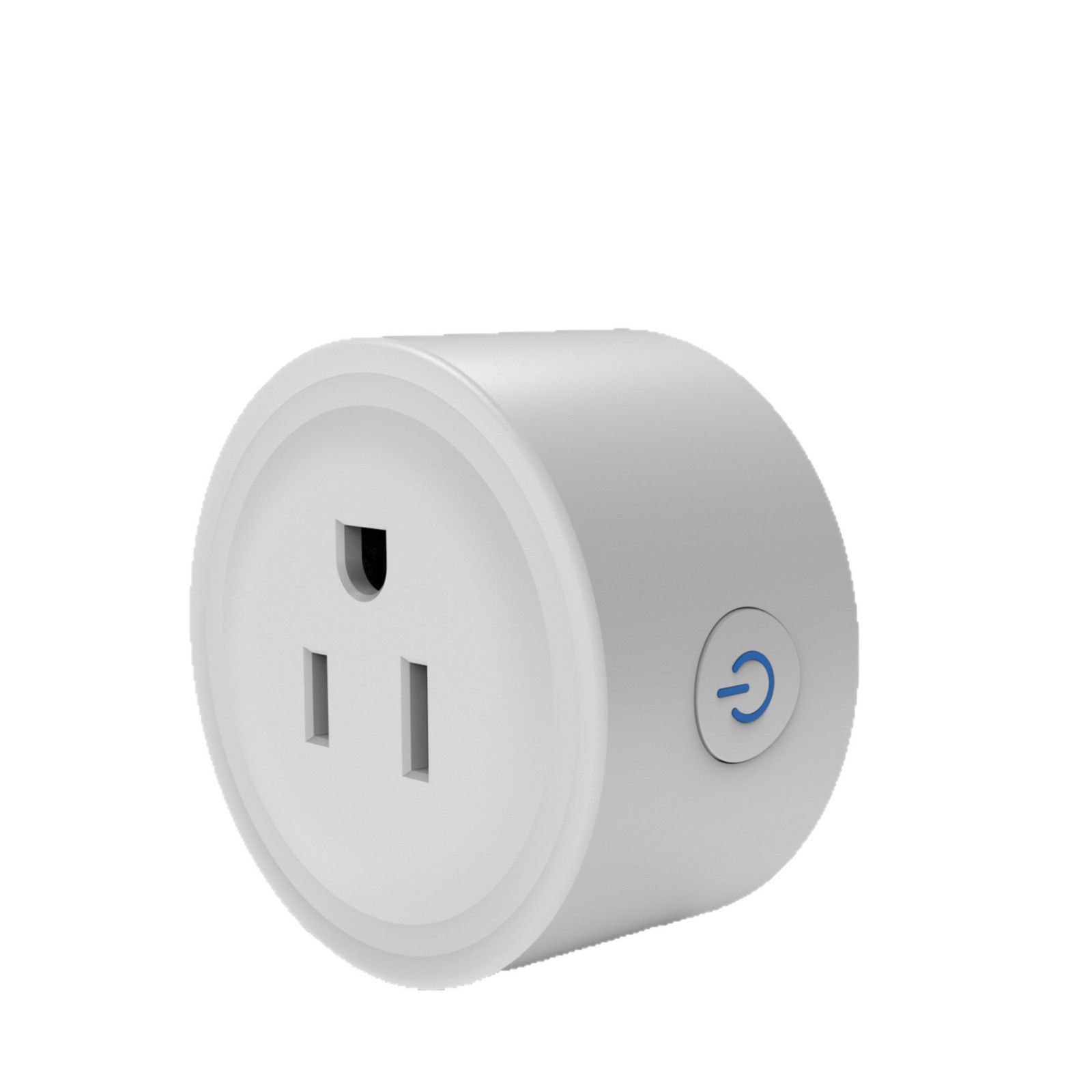
New
Matter Smart Plug, US Type B, 10 A with Energy Metering
A Matter plug that reports what it draws. Works with HomeKit, Google and Alexa without a vendor hub.
$23.99
Min. 5
Plugs and in-wall switches are the cheapest way to make an ordinary appliance smart, and the easiest place to create a safety problem. Anything that switches mains power carries a fire risk if the hardware is not certified for your market, and a plug adapter does not fix a switch that was never approved for the voltage.
The distinction that matters most here is relay versus dimmer. A smart plug or switch is a relay: on or off, and it works with almost any load within its rating. A dimmer needs a compatible load — older LED drivers may buzz, flicker, or refuse to turn on at low levels, and a dimmer rated below the load will run hot.
Energy monitoring is the other split. A plug that reports watts can tell you what an appliance actually costs to run; a plug that only switches cannot. Where a listing claims monitoring, the product page states whether it reports instantaneous power only or also accumulates kWh over time — those are different features and only the second one answers "what does this cost me".
For in-wall switches, check two numbers before ordering: whether your wall box has a neutral wire, and the plate standard in your country. A switch that needs a neutral will not work in a box that only has line and load, and a US 118 plate will not fit a box cut for a different standard.
A Matter plug that reports what it draws. Works with HomeKit, Google and Alexa without a vendor hub.
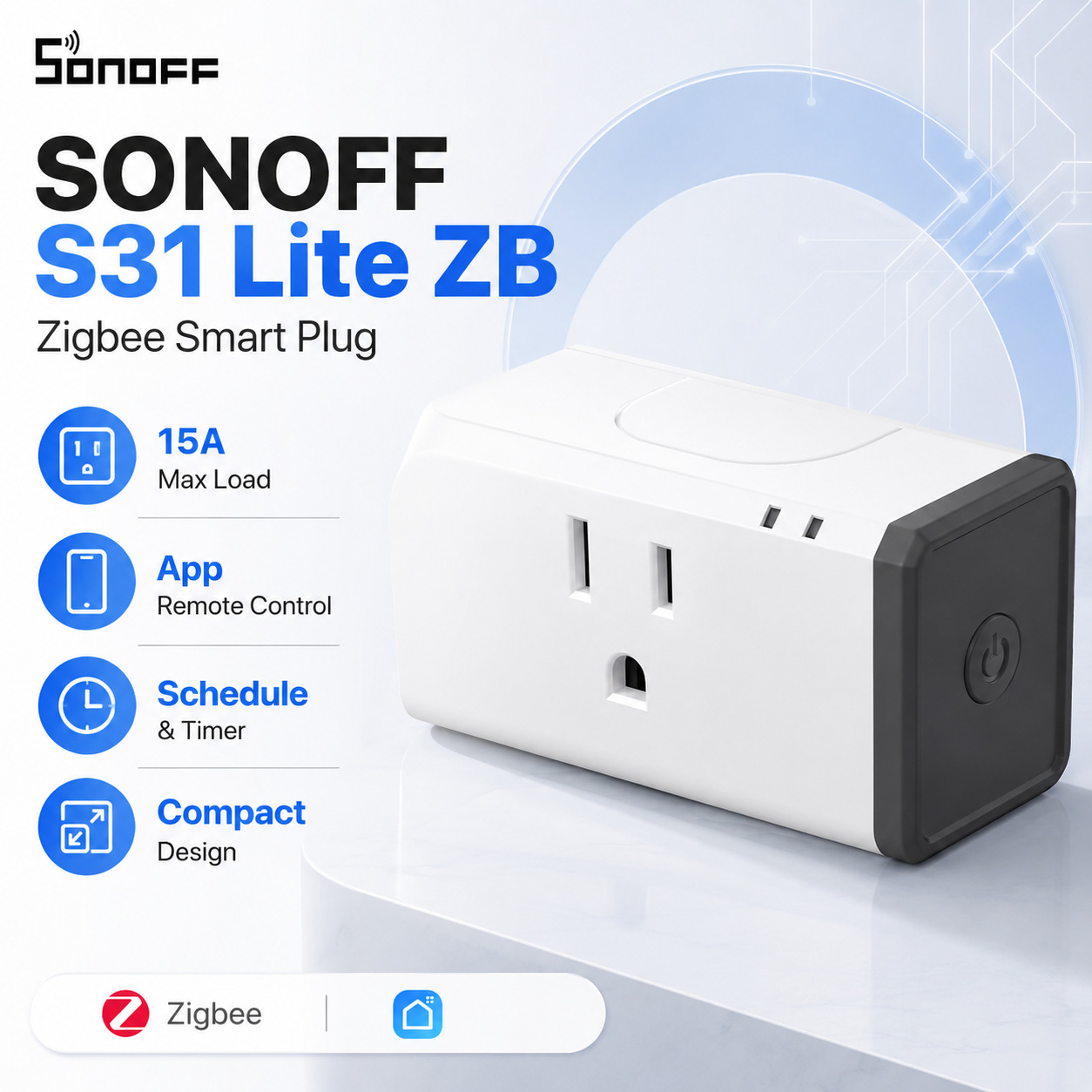
Zigbee, not Wi-Fi. 15 A through a 7.6 cm body, and it stays off your Wi-Fi network.
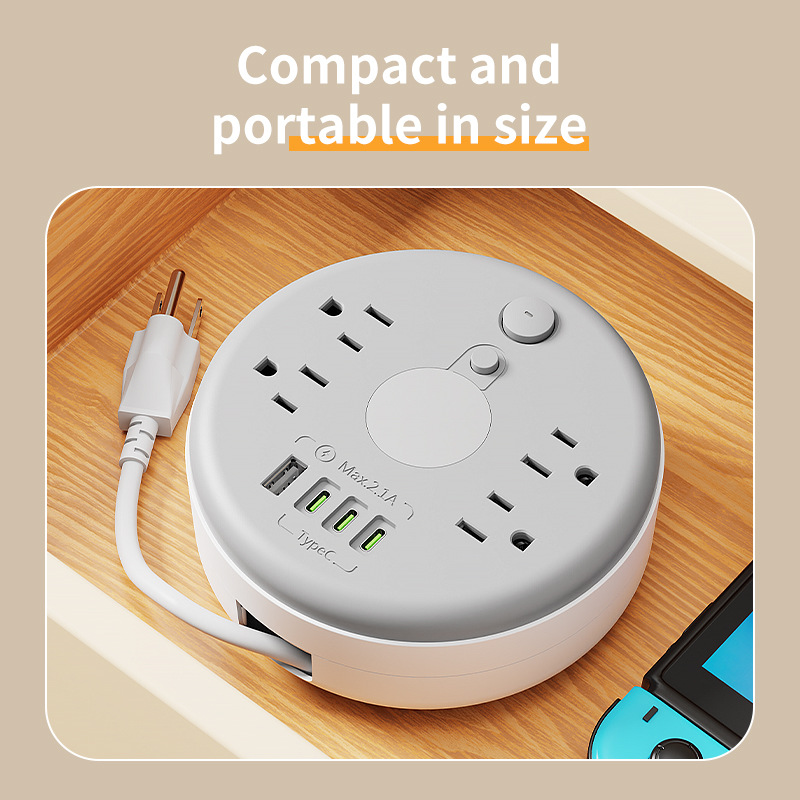
A 110 V strip with four switched outlets, USB charging and a night light on a retractable base.
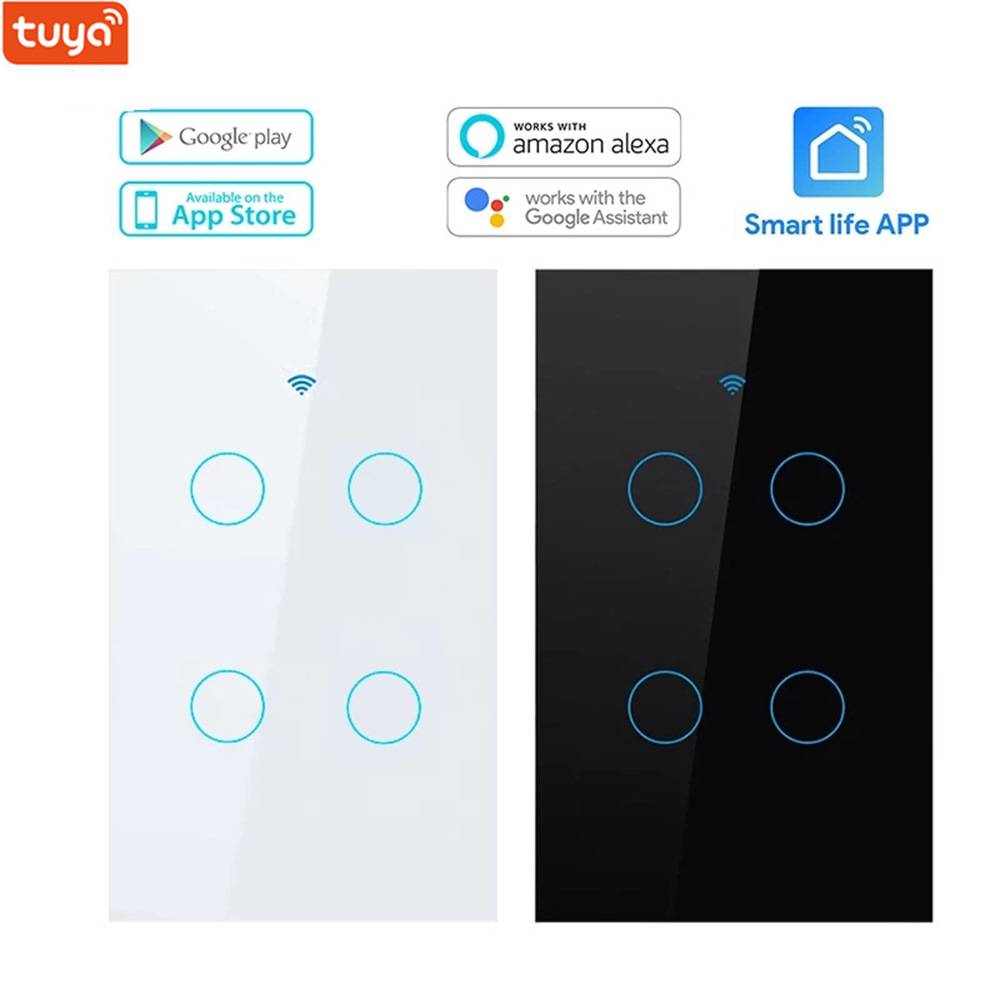
A US-format glass touch switch with an RF433 fallback remote - no neutral wire required on the single-live version.
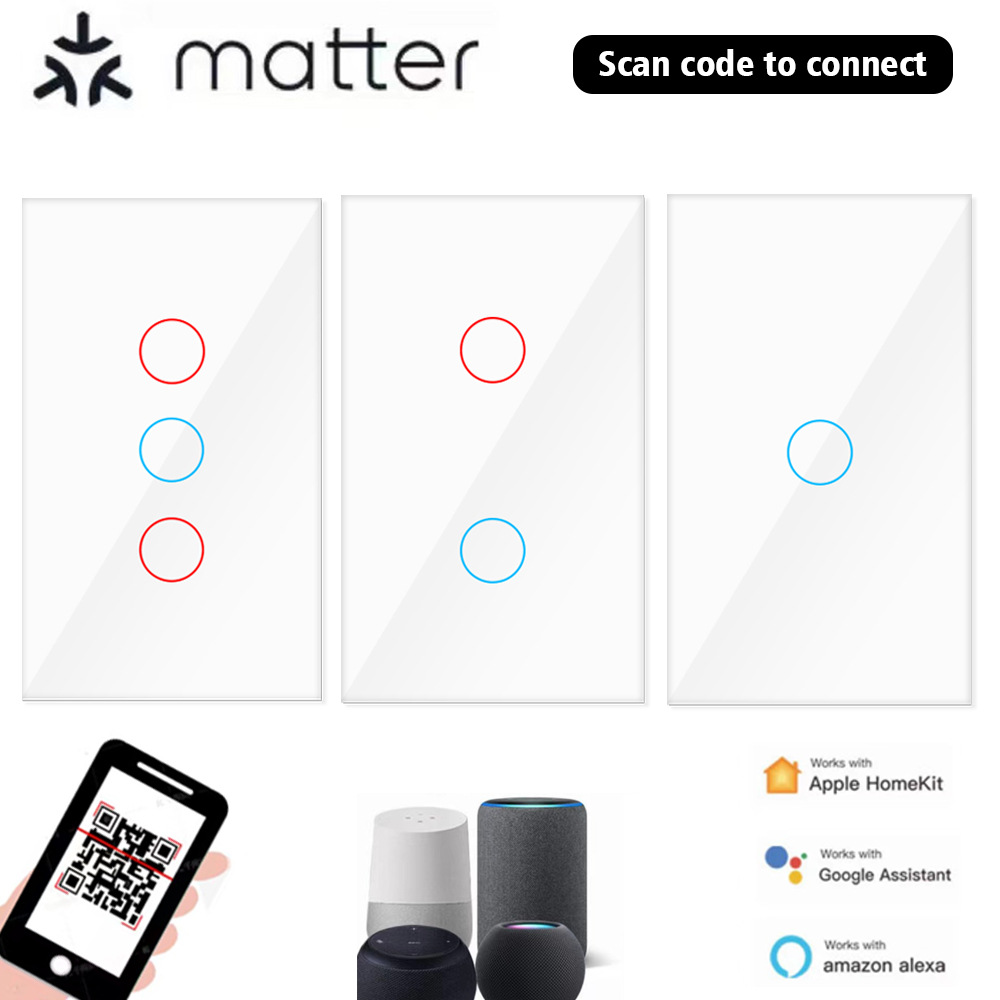
Matter over Wi-Fi on a US plate. Rated 100-240 V, 10 A per gang, under 1000 W.