New
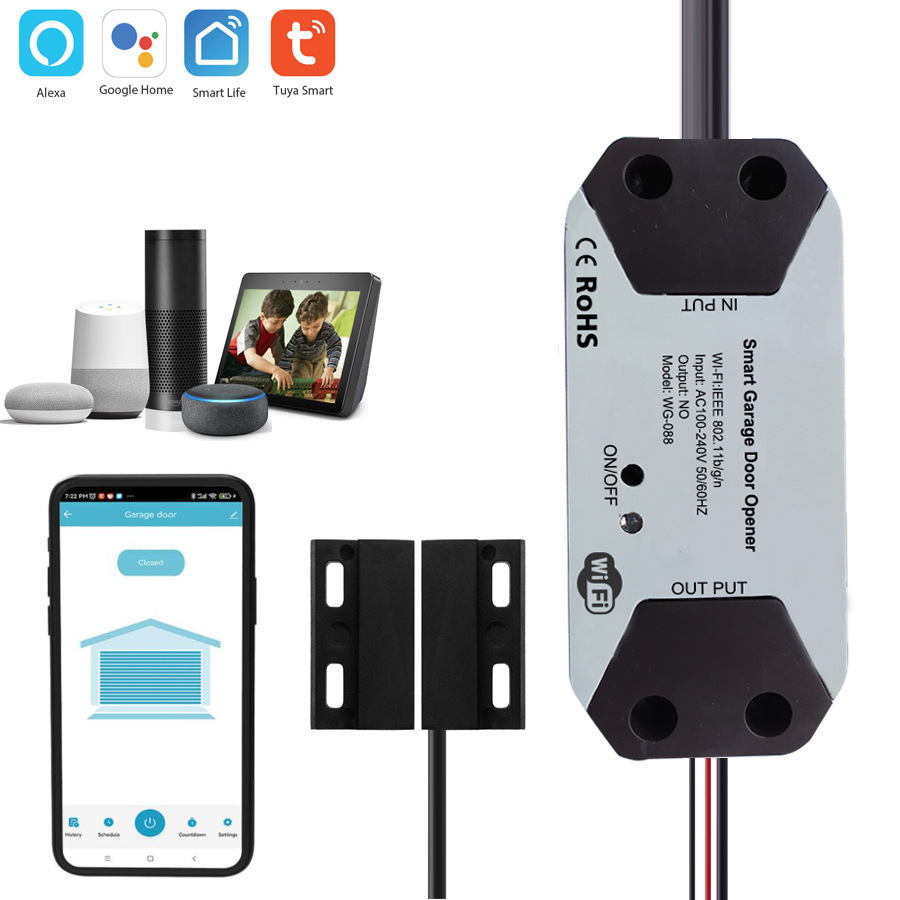
Tuya Garage Door Controller, CKM-001
A Wi-Fi relay that presses the garage button from a phone. Sold in US, EU, AU and UK plug variants.
$29.99
Min. 5
A smart lock is the one device in this store that can lock you out of your own home, so the questions worth asking are different from every other category. Does it still open with a key when the battery dies? Does it keep working when the network is down? Who can be given access, and how is that access revoked?
Fingerprint locks remove the key-carrying problem, but they add a failure mode: a cold, wet or damaged finger will not read, and every fingerprint lock needs a fallback. The listings here state the fallback — a key cylinder, a keypad code, or a mechanical override — because a lock without one is a lock you cannot trust in the rain.
Garage and gate controllers are a different risk. They interoperate with an opener you already own, which means compatibility depends on the opener's wall-panel wiring rather than on the lock. Check the product page for the supported opener brands and the wiring it expects; a controller that only supports one brand of opener is not a universal part.
For rentals and guest access, the deciding feature is revocation. A code you can delete remotely is fine. A physical key you handed over is not, and a lock that requires the vendor cloud to revoke access means your tenant's access depends on someone else's uptime.
A Wi-Fi relay that presses the garage button from a phone. Sold in US, EU, AU and UK plug variants.
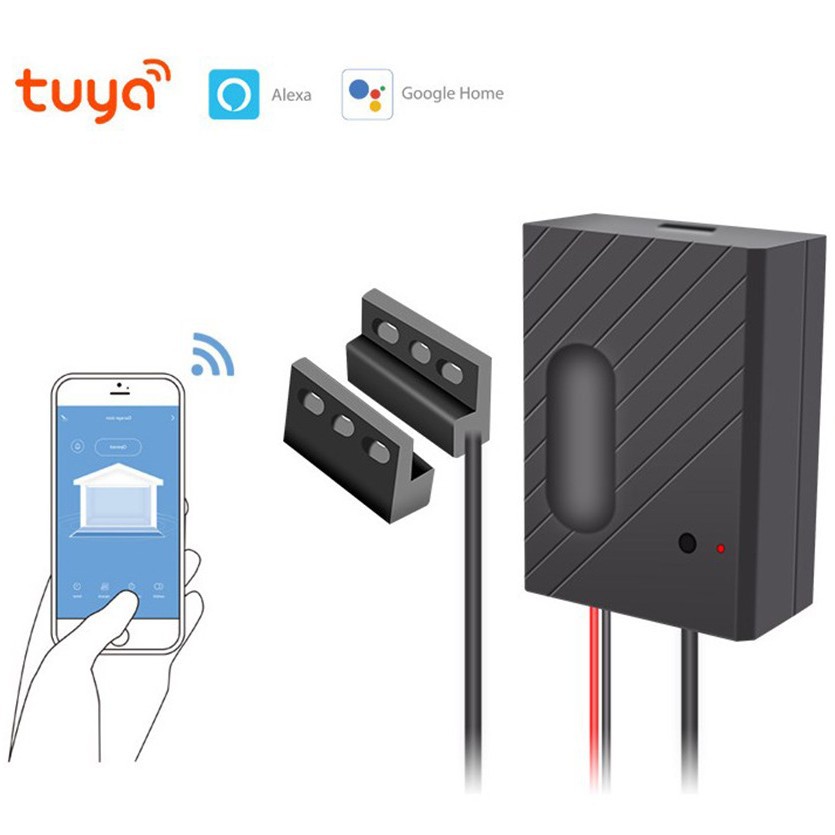
The version that runs off 5 V, or off the door's own 12-24 V supply, with a reed switch on a 5 m lead.
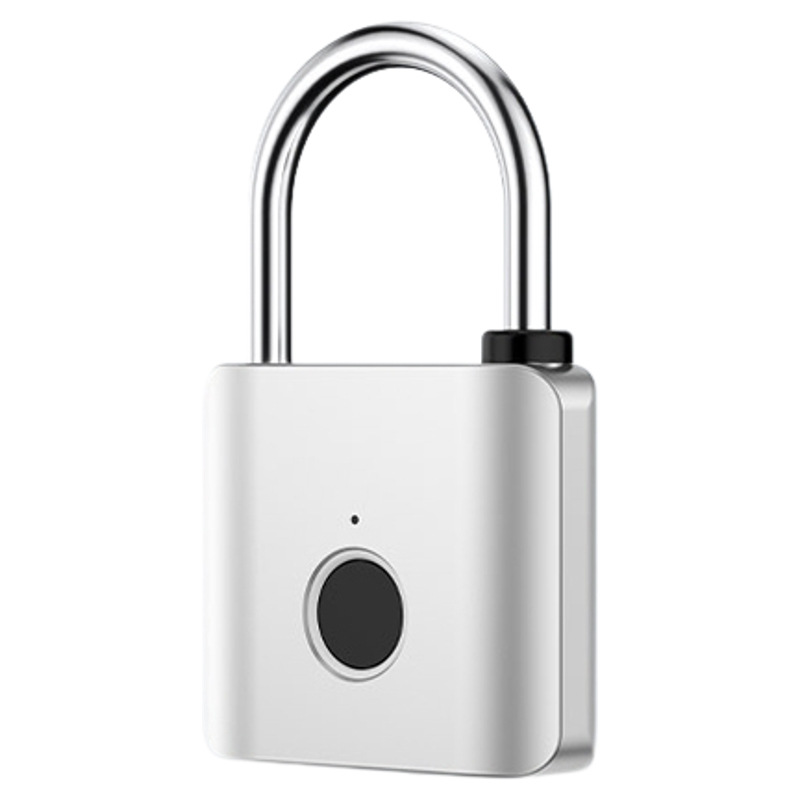
A zinc-alloy padlock with a fingerprint reader and no keyway. Twenty fingers, one app.